1 / 4

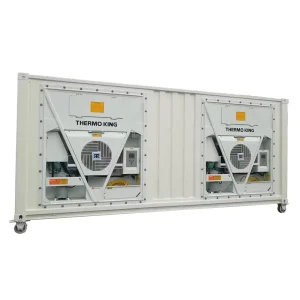
Rapid refrigeration containers reduce internal temperatures to the designated low-temperature target in remarkably short cycles. For perishable agricultural produce like freshly picked strawberries, fast chill cycles (within 1 to 2 hours compared to several hours for standard reefers) decelerate respiration rates, drastically reduce spoilage, and maximize shelf viability.
By rapidly attaining and maintaining uniform deep-freeze or chill parameters, the unit suppresses microbial growth, stops biological reproduction, and limits atmospheric oxidation reactions across sensitive goods.
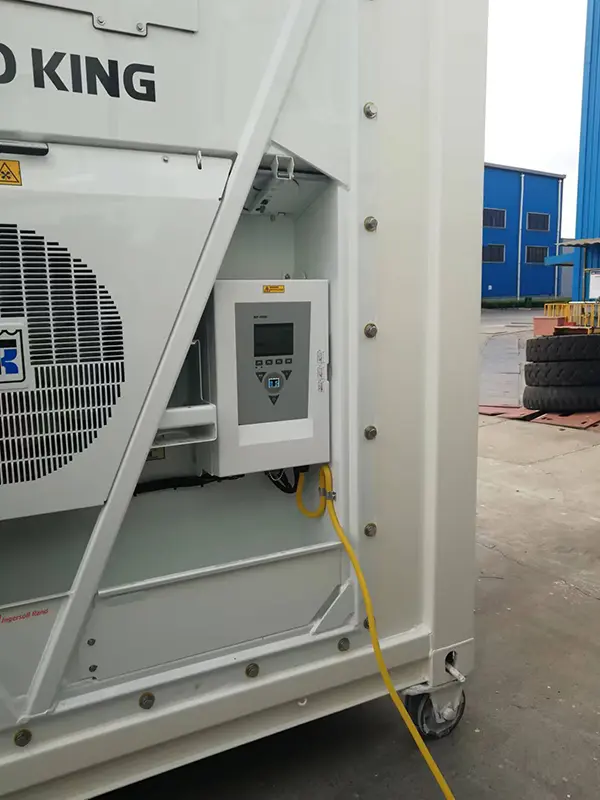
Equipped with strict monitoring loops, the system regulates internal container temperatures with minimum variance tolerances—indispensable for biological supplies, pharmaceuticals, and precision chemical reagents.
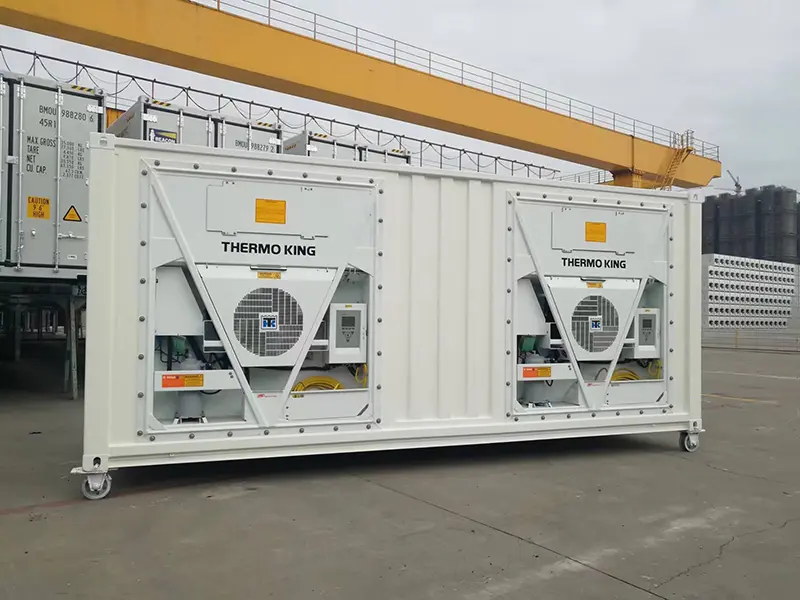
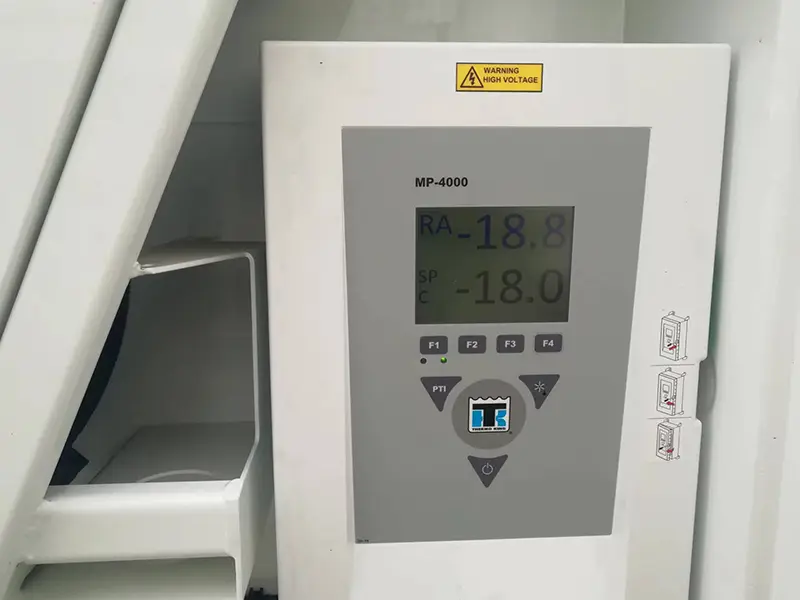
The total unit configuration depends directly on container dimensions, cargo thermal inertia, and the required cooling duration. Custom engineering setups can be configured based on project requirements.
Cargo must be distributed evenly without over-stacking or high-density blocking to preserve uniform airflow. Goods with divergent temperature needs should never be co-mingled, while volatile chemicals or odor-sensitive items require isolated barrier packaging.
High-density polyurethane foam lining the interior boundaries provides superior thermal resistance, blocking ambient radiant heat and stabilizing target conditions even during long-haul transport.
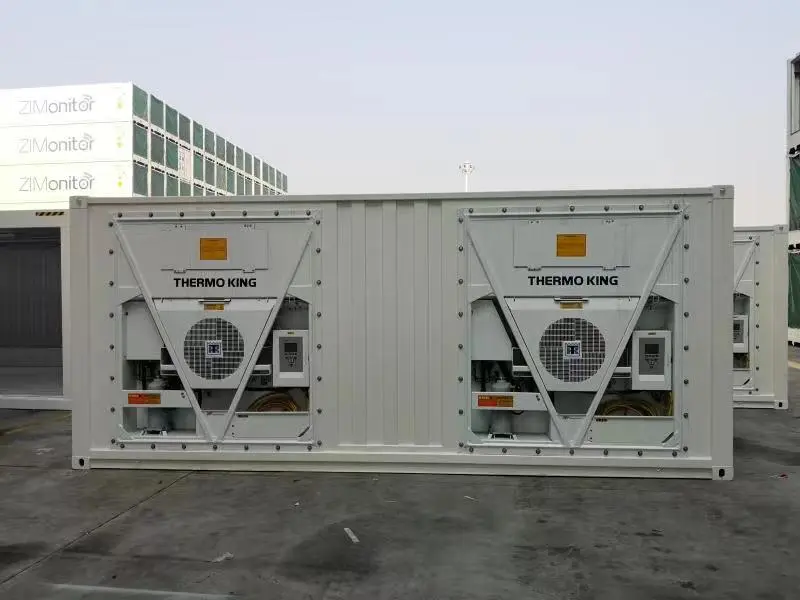
While ordinary refrigeration systems typically require several hours to pull down interior temperatures, blast reefer units can complete deep chilling in 1 to 2 hours or less.
They are widely implemented across the agricultural food processing sector, biological medical storage, pharmaceutical transport, and industrial chemical supply chains demanding rapid temperature drops.
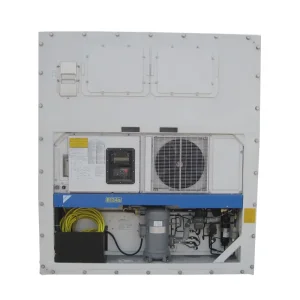
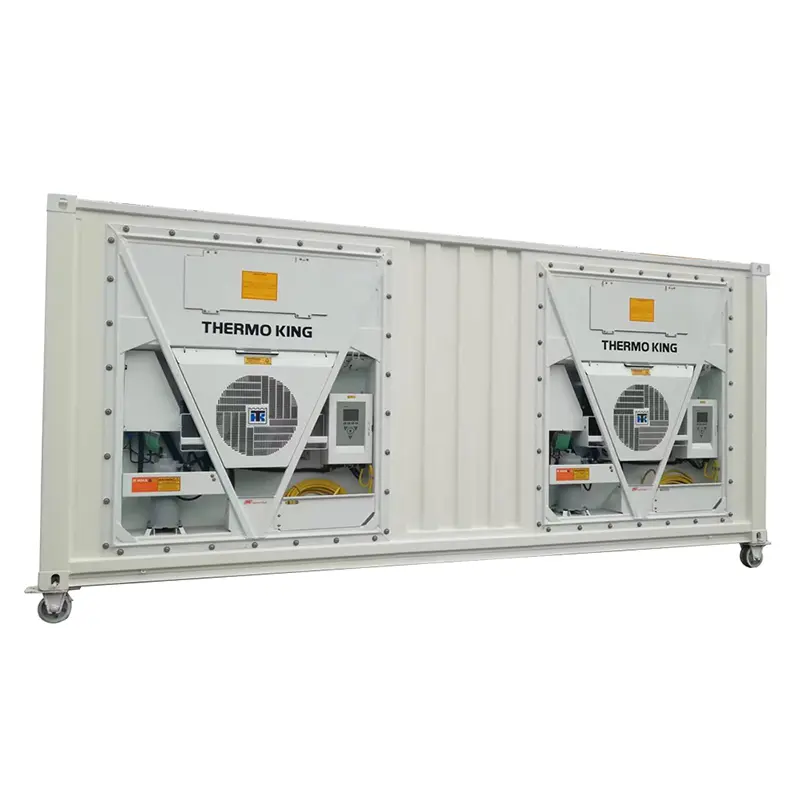
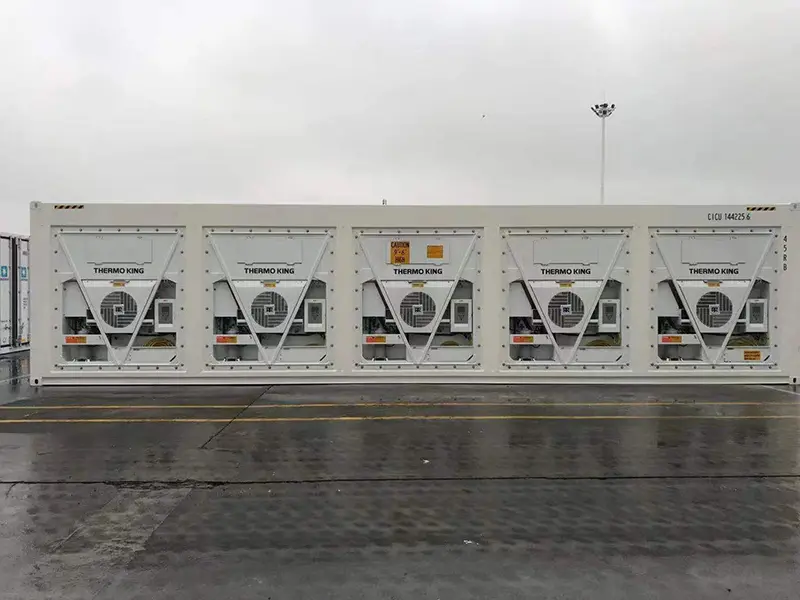
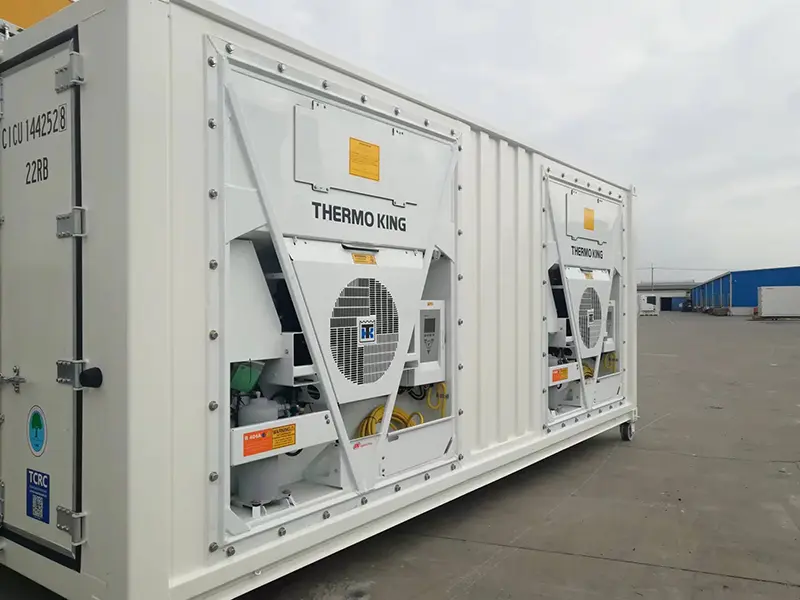
The system centers on high-capacity compressors, heavy-duty condensers, precision expansion valves, and thermal evaporators linked into continuous rapid-cooling cycles.